Week 7
This week I set out to experiment with creating a brand identity driven by data. The first challenge was deciding which brand and which type of data to work with. Since I had recently purchased a motion sensor camera, movement felt like a natural starting point. I looked at several venues, including Paradiso, Melkweg, and Maassilo. Paradiso and Melkweg were quickly ruled out as both already have strong, well-established identities. Maassilo kept standing out as the most interesting option, so I decided to move forward with that.
Category:
Experiments
Week:
7
author:
Renske Mutsaars
Location:
Rotterdam
Date:
Finding a concept
Connecting movement data to the Maassilo brand turned out to be harder than expected. I explored several directions, including the idea of text that compresses like a silo when more movement is detected, but most of these concepts were difficult to realise with the sensor I had. A small test confirmed another limitation: to use the sensor at full capacity and control the scaling of shapes in the way I had imagined, an older Windows computer would be required, which I did not have access to. This meant I had to work with what was possible rather than what I had originally envisioned.
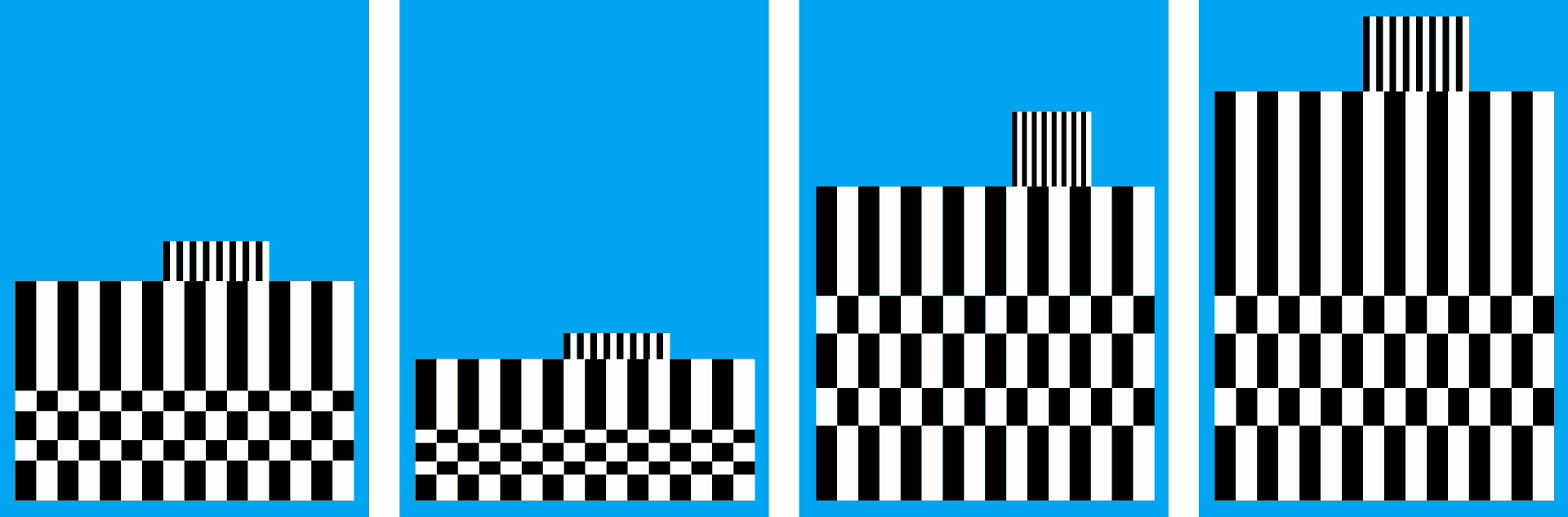
Because tutorials for getting the Kinect working on my setup were scarce, I relied on AI assistance to help get things running. Most tutorials were built around older Windows versions, so ChatGPT helped me work around those limitations. I started by testing how the 3D scanner read depth, representing each depth point as a small block to visualise differences in space. From a tutorial, I learned how to convert depth data into a threshold value, similar to calculating brightness as I had done in the boundary analytics style, which made it straightforward to map depth onto shapes.
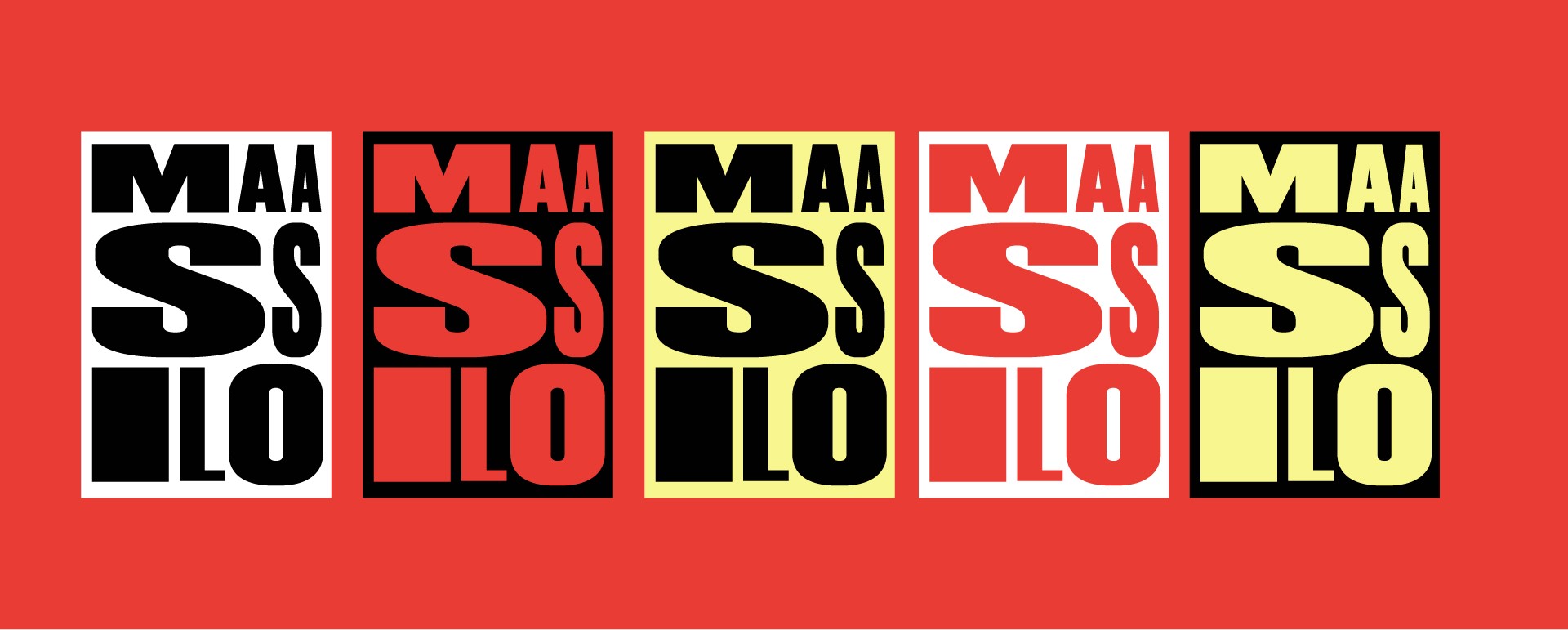
Using this approach, I designed a quick logo for the Maassilo so I could focus on testing rather than spending too much time on identity design. I created four sets of the logo in contrasting colour combinations and built a system where different keys switch the background colour, producing a dynamic, high-contrast result.

The results
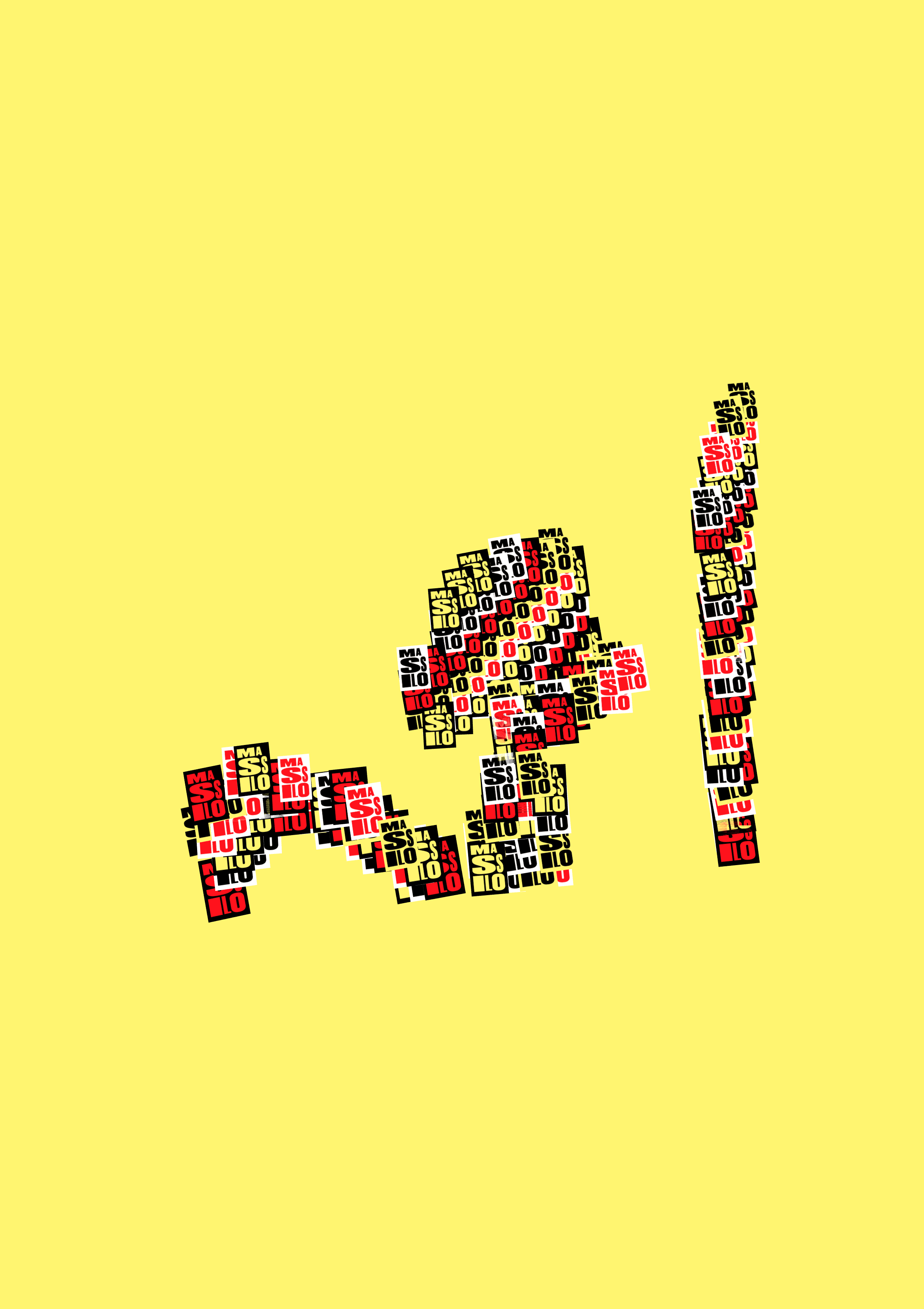
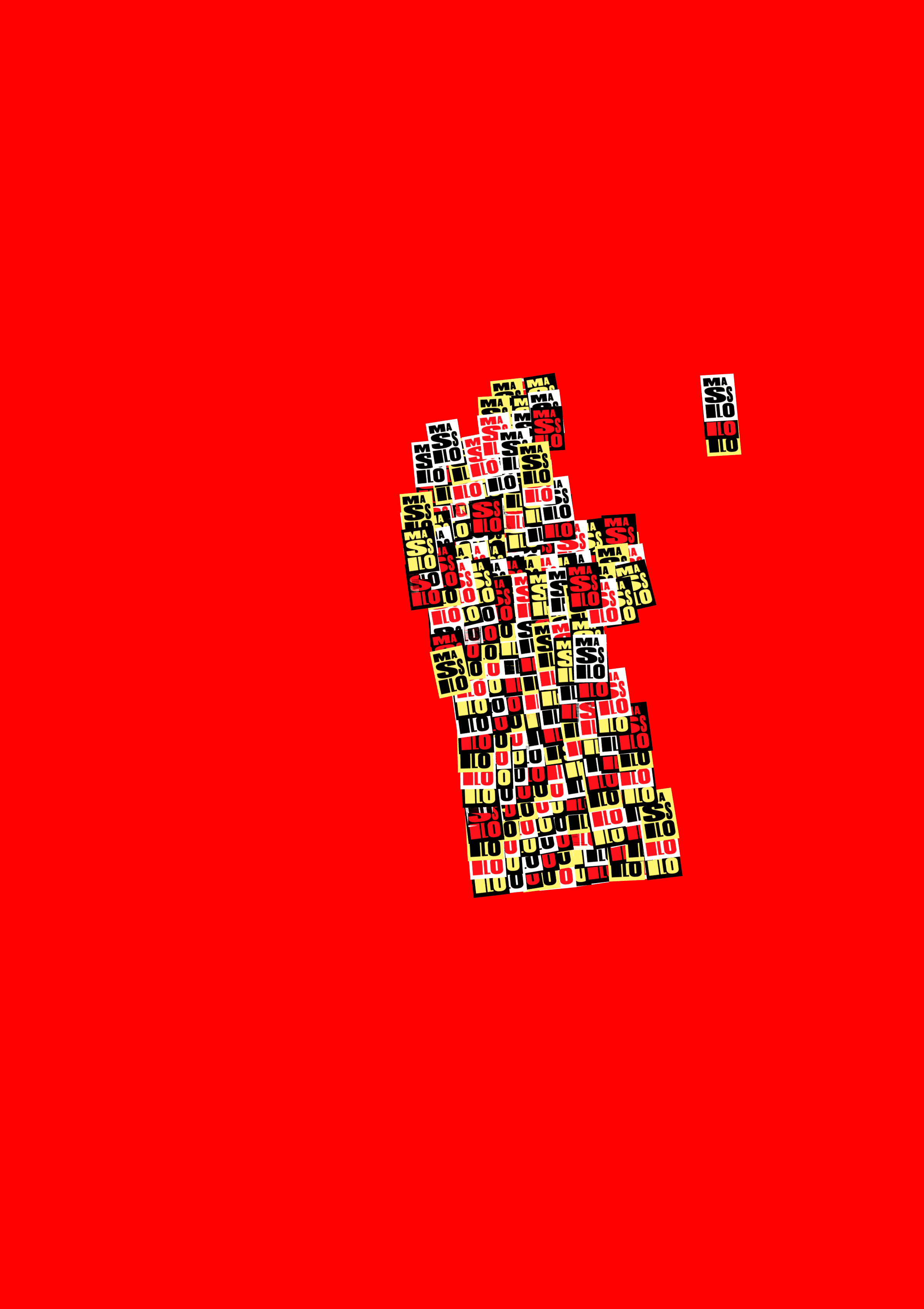
Behind the scenes, I tested the system in playful ways, waving a shirt to create a motion wave, using a laundry basket to mimic the maassilo building, and simply recording myself dancing. All of these produced lively, engaging visuals with very little effort. The idea has real potential for live use, for example placing the camera at an event so that attendees can record their own clip, or using it on the main screen behind a DJ with a live crowd. Since the sensor measures depth, it could even respond to how busy or empty a venue is. The end result is more a small identity what could be used for a recurring event at Maassilo, something like the "Maasborrel," rather than a full identity for the venue itself. I am happy with what was created, but I feel the connection to Maassilo's brand story could be much stronger. The current version is centred around dance as a theme, which feels somewhat disconnected from the venue's identity and history.
Next
Going forward, I want to explore datasets that are less obvious and more closely tied to a brand's story. There are interesting examples of this, such as packaging that changes based on weather data for a wine brand, visually communicating the character of the wine through its label. These deeper connections require more knowledge of the brand, which is why I am considering reaching out to a real brand to develop an idea together. Getting in touch with Maassilo directly could also be valuable, both to gather feedback on this concept and to develop a version that better reflects their full brand story.