Week 6
This week I focused on updating my research document by diving deeper into two books that are central to my project. I read Designing Programmes by Karl Gerstner and revisited Code Crafted by Patrick Hübner, documenting how both connect to my research. Alongside this, I experimented in Processing by recreating one of Gerstner's grid systems in code, and I gathered several real-world examples of brands that use generative systems as part of their identity.
Category:
Processing Tutorial
Week:
6
author:
Renske Mutsaars
Location:
Rotterdam
Date:
Researching
This week I focused primarily on updating my research document, drawing from two key books and several practical experiments.
I read Designing Programmes by Karl Gerstner, which explores the idea of creating multiple outcomes through systems rather than waiting for inspiration or searching endlessly for a single solution. This connected strongly to my project, as Gerstner argues that a programme, like a recipe, sets the rules without fixing the outcome. Just as a recipe for potatoes defines the steps but not the perfect result, a design system defines constraints within which endless variations can emerge. This is essentially what a generative identity tool does: the sliders define the system, but the final result remains open.
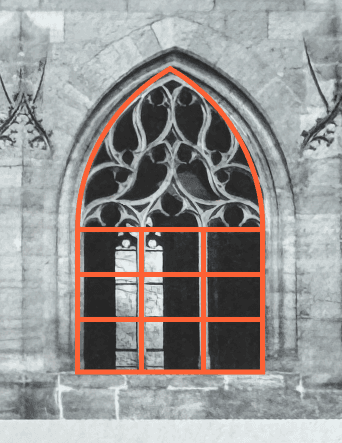
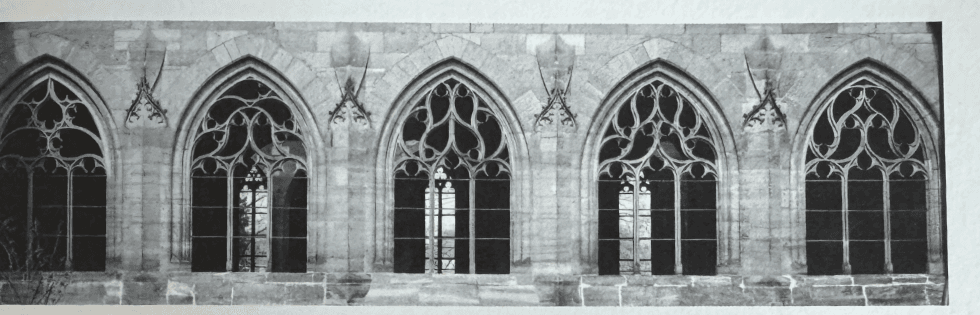
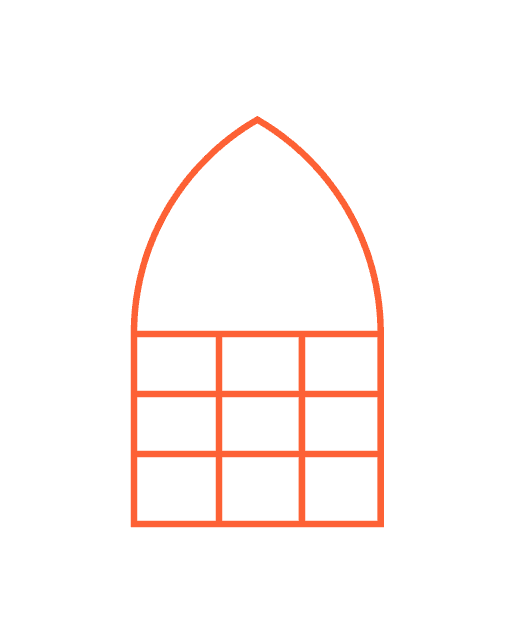
Gerstner also pointed out that designing in systems is nothing new. Gothic cathedrals, where every window was different yet felt like a family, were built on exactly this principle: fixed rules producing varied but coherent results.
To test this idea in practice, I recreated Gerstner's 16-point grid system in Processing. Using just 16 points, I was able to generate a wide variety of patterns that all felt cohesive, a modern echo of the Gothic cathedral example.
Real word examples
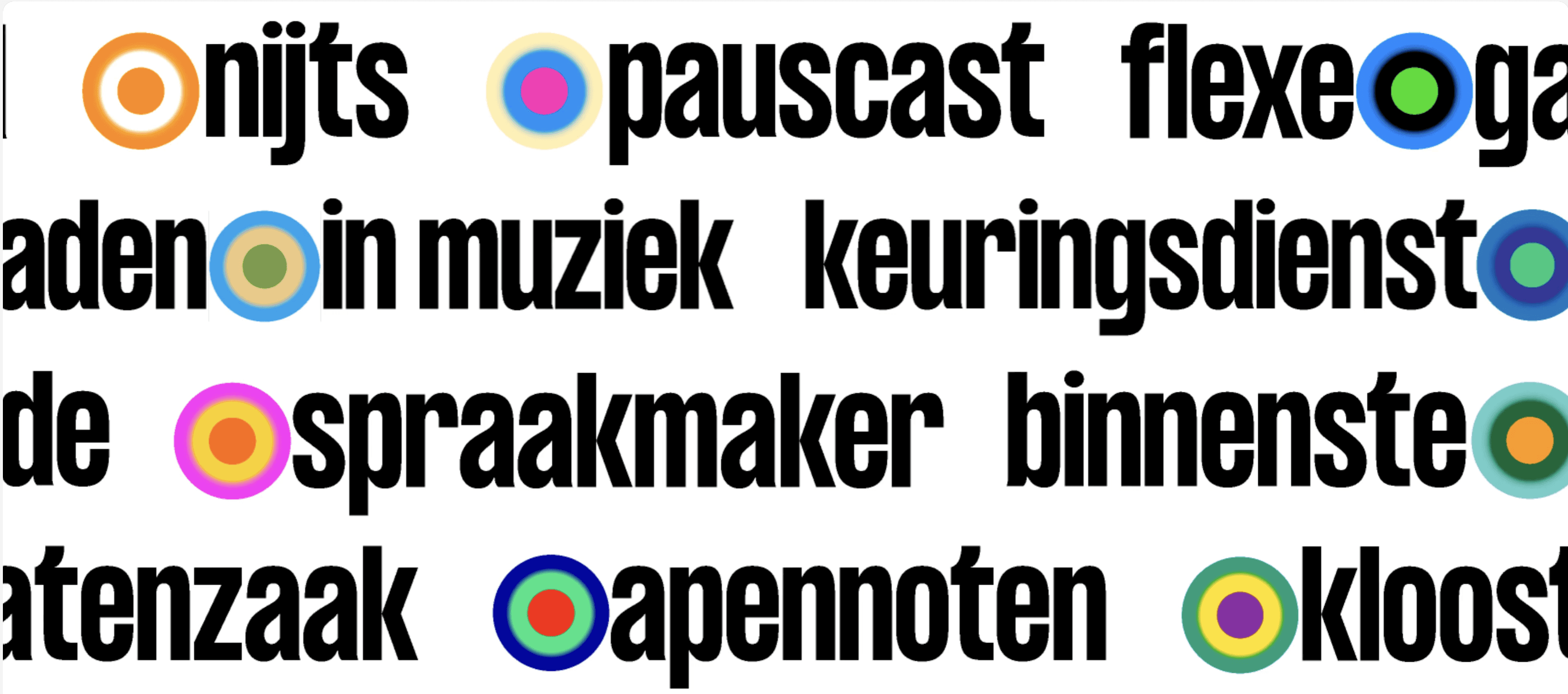
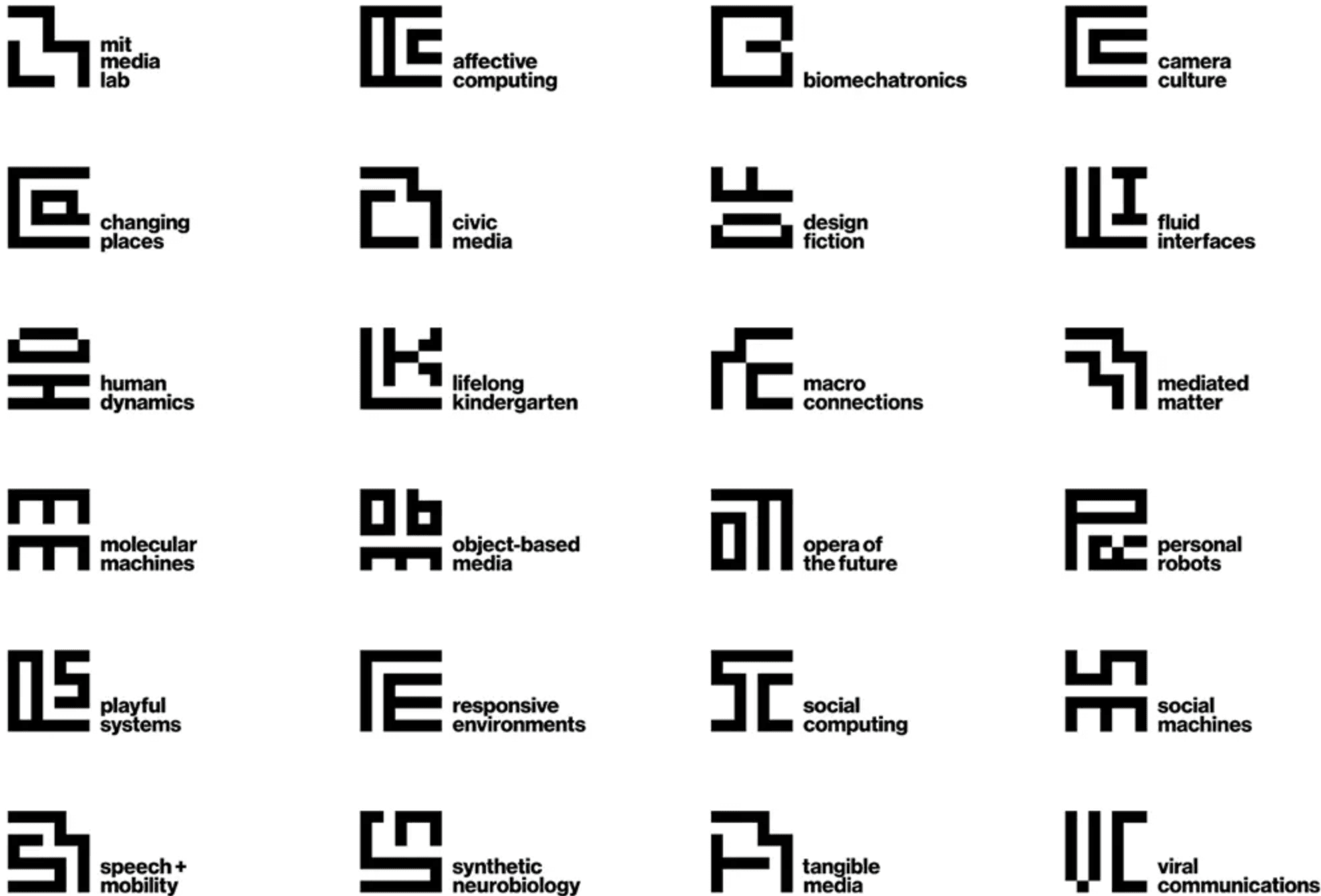
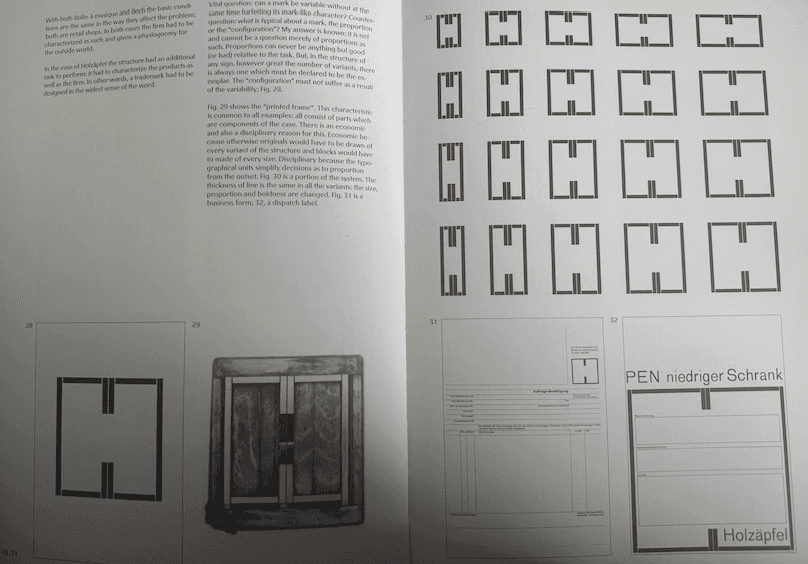
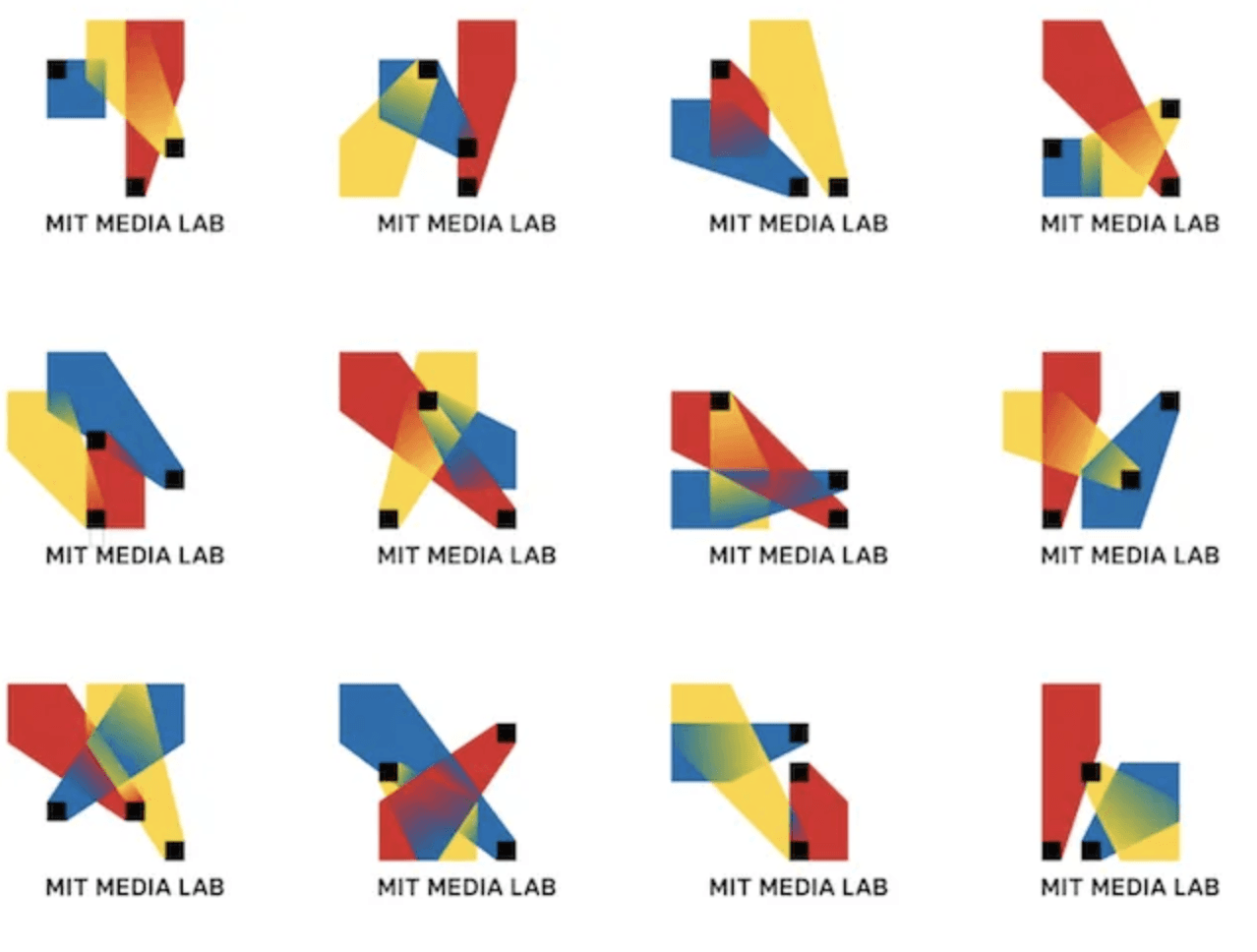
Looking at contemporary brands using this approach, I found two strong references. The rebranding of KRO-NCRV by Thonik uses a generative system based on a great circle, producing 140 million possible colour variations, allowing each channel to have its own version while remaining on-brand. MIT Media Lab (2011) programmed their logo so that every student and staff member could generate their own unique version, with enough variety to stay relevant for 25 years. Their later rebrand built on the same logic, updating the system rather than discarding it. One of the most surprising findings was how far back systematic thinking in design goes. A 1964 identity for Holzapfel featured a letterform that adapted to paper size, essentially a responsive, generative concept decades before the technology existed to fully realise it. This echoes a contemporary project by Lava with a similarly scaling letterform, and reinforces how relevant and timely it is to build systems that generate results independently.
Results
I also documented my findings from Code Crafted, one of the original inspirations for this project. Hübner argues that brand designers today must think not only about how a brand looks, but how it can grow, change, and behave in an interactive world. A brand can no longer be static; it must be a flexible system that adapts to its environment while remaining recognisable. According to Hübner, an identity is a living system that connects with its audience, staying relevant not just through recognition but through feeling interactive and alive. These findings helped clarify the core of my project. It is no longer just about solving the frustration of building a brand, it is about the broader possibility of a brand that continues to grow after it has been designed, whether by connecting it to data or by making it accessible enough for non-designers to use within a system that keeps results on-brand. As Gerstner argues, creativity emerges from multiple outcomes rather than a fixed process. By generating endless results through a system, designs emerge that I could never have arrived at alone, and that is what makes a brand feel truly alive.